If you are getting ready to sell in Avon, it is easy to wonder where your time and money will actually pay off. In a market where buyers move quickly and notice condition, presentation, and upkeep right away, the smartest pre-listing plan is usually not a major renovation. Instead, you can focus on the updates that improve first impressions, reduce sale-day surprises, and help your home feel move-in ready. Let’s dive in.
Why smart updates matter in Avon
Avon has a high rate of owner-occupied homes, and buyers shopping here are often looking closely at quality, maintenance, and overall presentation. The town’s commercial corridor along Route 44 also means many buyers are familiar with Avon and may compare homes quickly once they start touring.
Current market data points to an active environment, even if exact numbers vary by source. Zillow reports an average Avon home value of $573,199 and homes going pending in around 6 days, while Redfin describes ZIP code 06001 as very competitive, with a median sale price of $559,718 over the last three months and a 101.3% sale-to-list ratio. The takeaway is simple: strong first impressions still matter.
Start with permits and town records
Before you paint a wall or schedule photography, review your home’s permit history. Avon’s Building Department warns that unpermitted or unfinished work can delay or postpone a sale, and the current owner is responsible for confirming that permits and final approvals are in place.
This step matters more than many sellers expect. Common trouble spots include finished basements, attics, rooms over garages, additions, decks, pools, hot tubs, reroofing, siding, replacement furnaces, water heaters, and window replacements.
Connecticut’s Department of Consumer Protection also notes that many home improvement projects require a town permit before work begins. Even if a contractor handled the work, you are still responsible for verifying that the proper permits exist.
What to check before listing
- Finished basement or attic space
- Bonus room over garage
- Additions or exterior structures
- Decks, pools, or hot tubs
- Roof replacement
- Siding replacement
- Furnace or water heater replacement
- Window replacement
If anything looks unclear, it is better to address it before your home goes live. A missing final approval is much easier to solve early than during a buyer’s inspection window.
Fix safety and mechanical issues next
Once permit questions are addressed, turn to any safety or major mechanical concerns. Buyers may forgive cosmetic wear, but they tend to react strongly to issues that suggest deferred maintenance.
This does not mean you need to overhaul everything. It means taking care of the items that could create concern during showings or trigger problems once inspections begin. A calm, orderly pre-listing plan usually protects both your timeline and your leverage.
Focus on visible, high-impact updates
After permits and major repairs, put your budget where buyers will notice it most. In most Avon homes, that means paint, entry appeal, decluttering, light styling, and a short list of visible repairs rather than a full remodel.
NAR research supports this approach. Its remodeling data shows strong resale signals for projects like garage-door replacement, steel entry-door replacement, minor kitchen remodels, and bathroom remodels. At the same time, REALTORS most often recommend painting the home, which is usually a much simpler and more cost-effective pre-listing move.
Best pre-listing updates for Avon sellers
- Refresh paint in neutral tones where needed
- Repair scuffed trim, loose hardware, or worn caulking
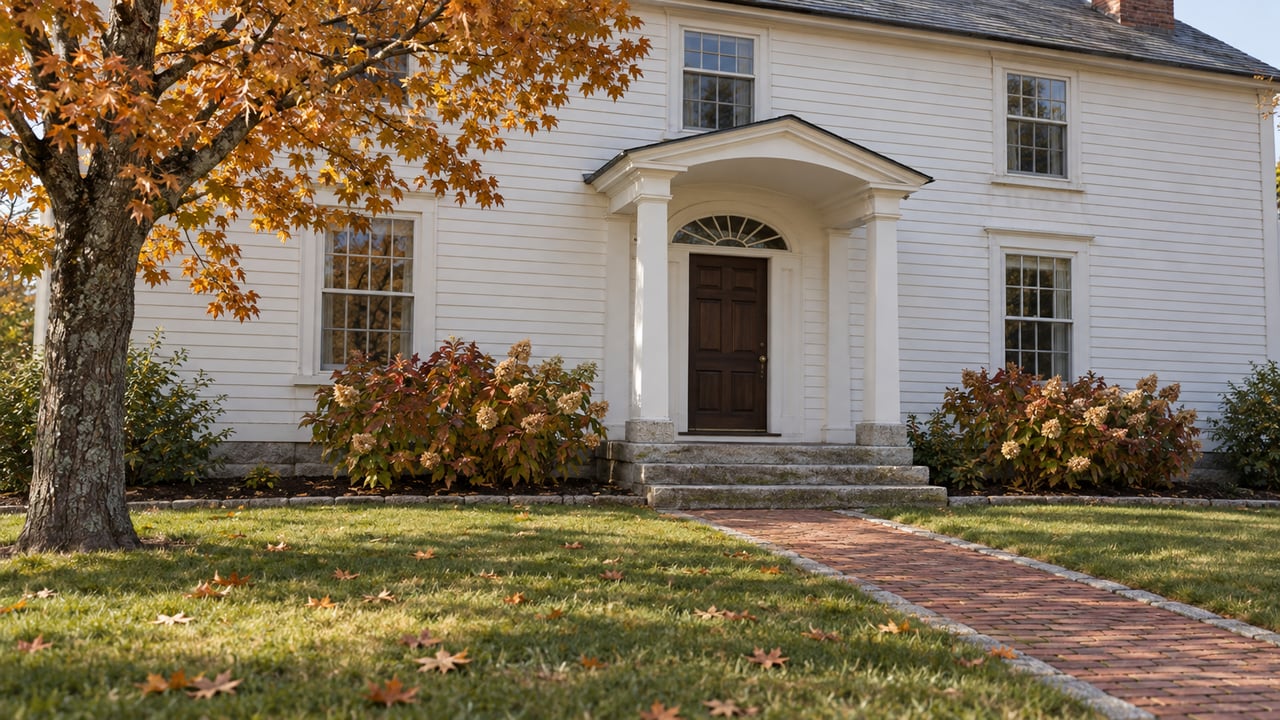
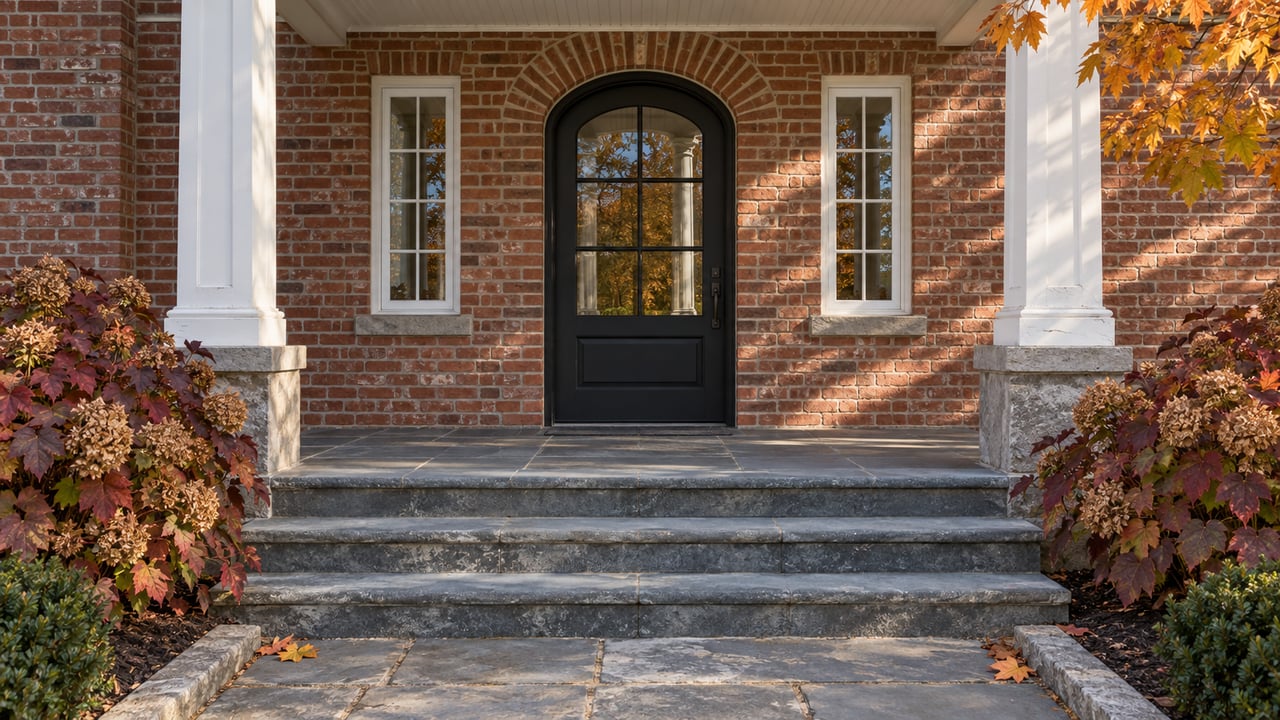
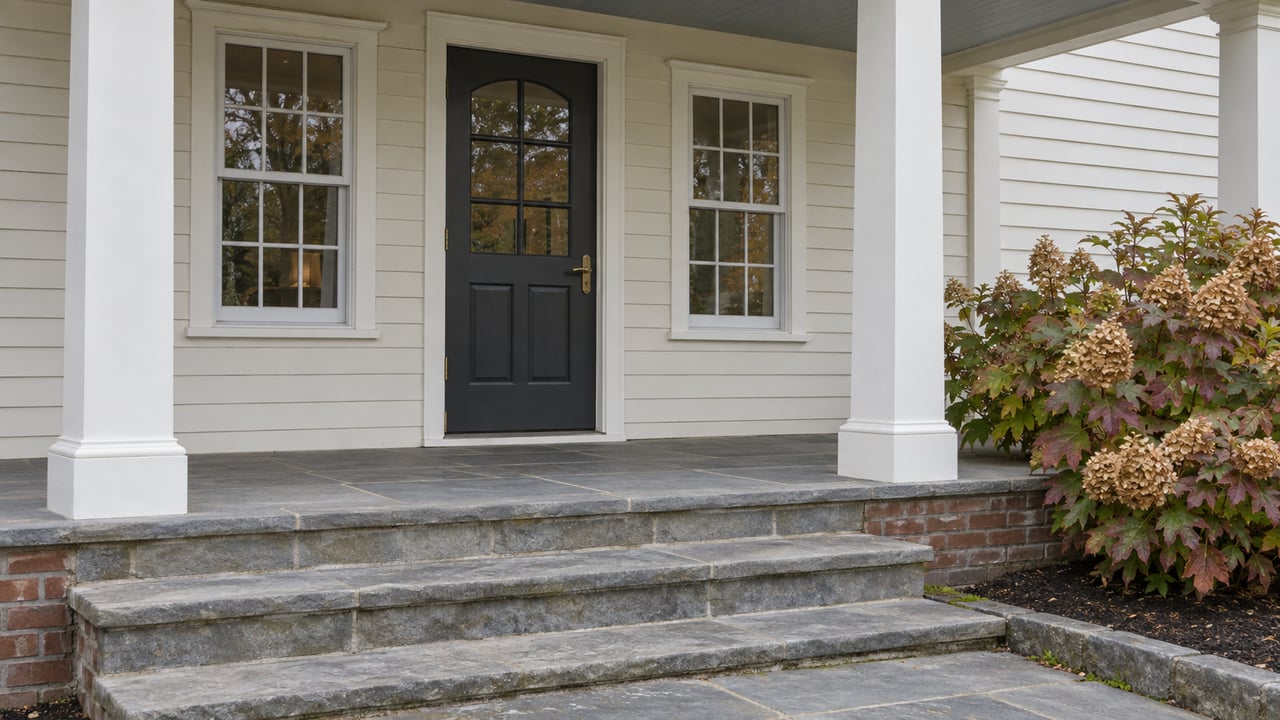
- Improve the front entry with a clean mat and small plantings
- Replace or refresh an aging front or garage door if it hurts curb appeal
- Update tired light fixtures or obvious cosmetic distractions
- Deep clean kitchens, baths, floors, and windows
These updates help your home feel cared for without turning prep into an open-ended renovation project.
Skip the full remodel unless it is necessary
One of the most common seller questions is whether to take on a full kitchen remodel before listing. Usually, the answer is no.
A large renovation can be expensive, time-consuming, and hard to fully recover. NAR’s resale and remodeling data suggests that minor kitchen work tends to make more sense than a full overhaul, especially when your goal is to improve marketability rather than redesign the home for your own long-term use.
When a larger update may make sense
- The kitchen is materially hurting buyer interest
- Cabinets, counters, or layout make the space feel functionally outdated
- The home’s price point and condition call for a more polished finish level
- A targeted bathroom refresh would remove a major objection
If the room is fundamentally sound, smaller improvements often do the job. Paint, hardware, lighting, decluttering, and selective repairs can change how buyers experience the space.
Staging is often worth it
In Avon, where buyers are likely to care about presentation, staging can be one of the most efficient pre-listing investments. NAR reports that 83% of buyers’ agents say staging makes it easier for buyers to visualize a property as their future home.
The same research found that 29% of buyers’ agents said staging increased the dollar value offered by 1% to 10%, and 49% said it reduced time on market. That is a strong case for at least a thoughtful, well-executed styling plan.
The rooms most commonly staged are the living room, primary bedroom, dining room, and kitchen. Those are often the rooms that carry your listing photos and shape the overall emotional impression of the home.
Simple staging moves that help
- Remove bulky furniture that makes rooms feel smaller
- Pack away personal items and highly specific decor
- Use fresh towels and bedding
- Keep closets about half full
- Clear high-traffic areas of clutter
- Simplify surfaces in kitchens and baths
NAR also warns against overcrowded rooms, poor cleanliness, bold decor, and clutter. In other words, the goal is not to erase personality. It is to create a clean, spacious, easy-to-picture environment.
Professional visuals should come last
Once the house is permit-clear, repaired, cleaned, and staged, it is time for photography and marketing media. This order matters because buyers place strong value on listing photos, traditional staging, video, and virtual tours before they ever step inside.
If you photograph the home too early, you may lock in visuals that do not reflect its full potential. A polished launch usually starts with a polished product.
For Avon sellers, this can be especially important in a competitive market. When buyers are scanning listings quickly, your first five seconds online can shape whether they book a showing or move on.
A practical pre-listing timeline
The smartest prep plan is usually sequential, not overwhelming. Here is a simple order that aligns with Avon’s permit guidance and national staging research.
Step 1: Review records
Check town records and confirm permits and final approvals for past work.
Step 2: Handle major issues
Address safety concerns, significant deferred maintenance, and key mechanical defects.
Step 3: Tackle cosmetic improvements
Invest in paint, entry appeal, decluttering, cleaning, and small visible repairs.
Step 4: Stage the home
Style the most important rooms so buyers can understand scale, function, and flow.
Step 5: Launch with strong marketing
Schedule professional photography, video, and virtual tours only after the home is fully ready.
Spend where buyers will notice
You do not need to do everything. In fact, trying to do too much before listing often adds stress without improving your outcome.
A better strategy is to focus on the items buyers see first and question most. In Avon, that usually means clean presentation, obvious maintenance, a strong entry, a neutral palette, and enough staging to make the home feel bright, open, and cared for.
That kind of planning can help you avoid wasted spending and bring your home to market with more confidence. It also creates a smoother experience once showings begin, because you have already handled many of the issues that tend to slow a sale down.
If you are thinking about selling in Avon and want a calm, strategic plan for what to update before you list, the Marshall & Ostop Team can help you prioritize the right improvements, coordinate presentation, and prepare your home for a strong market debut.
FAQs
What pre-listing updates matter most for Avon sellers?
- The most effective updates are usually permit review, safety and mechanical repairs, neutral paint, decluttering, entry improvements, deep cleaning, and light staging.
Should Avon sellers remodel the kitchen before listing?
- Usually not. Minor kitchen improvements are often more practical than a full remodel unless the kitchen is clearly hurting your home’s marketability.
Do old permits matter when selling a home in Avon?
- Yes. Avon’s Building Department says unpermitted or unfinished work can delay or postpone a sale, so it is smart to check records early.
Is staging worth paying for before listing in Avon?
- Often, yes. NAR research shows staging can help buyers visualize the home, support stronger offers, and reduce time on market.
When should photography happen for an Avon listing?
- Photography should happen after permit issues are reviewed, repairs are complete, and the home is cleaned and staged so your marketing reflects the home at its best.