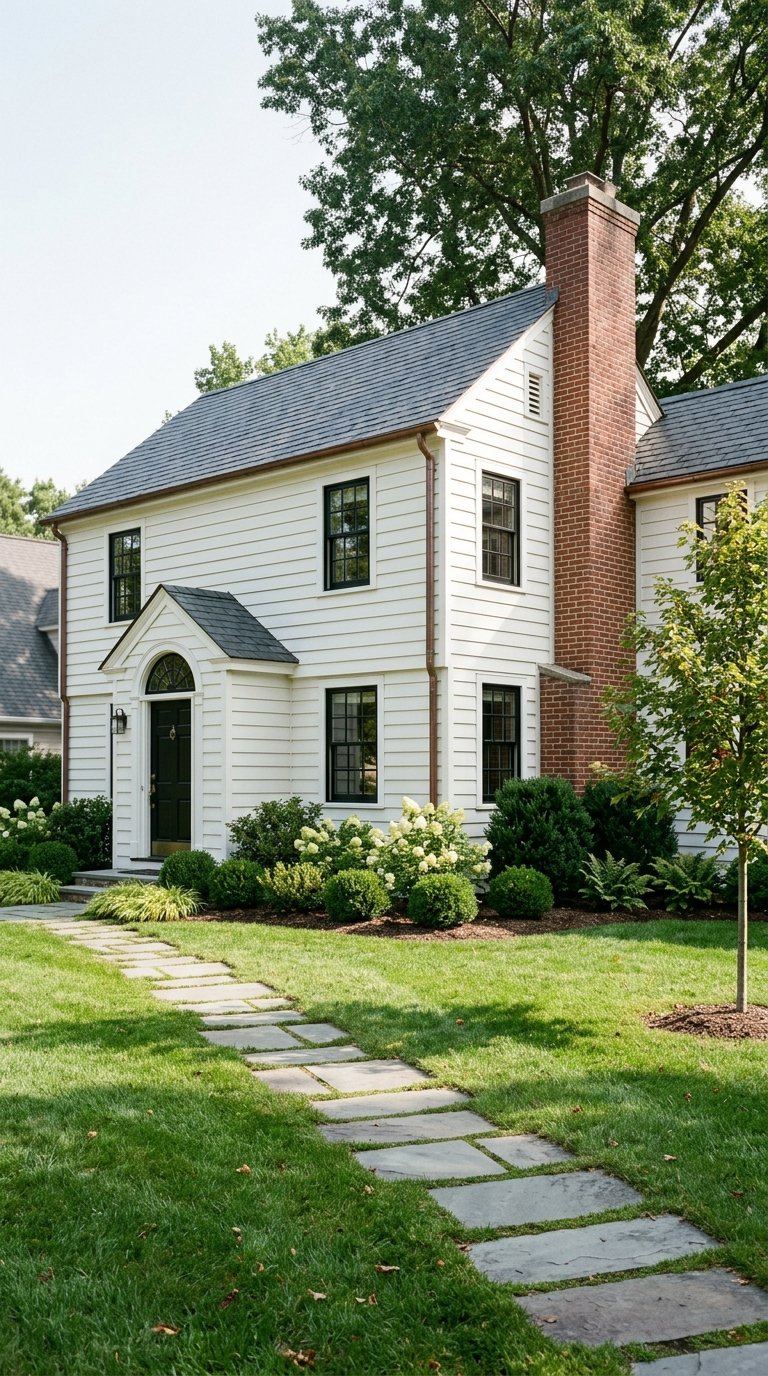
If you are searching in Farmington, one simple truth can save you time: the town’s neighborhoods do not all feel, price, or live the same. A historic Main Street home, a River Road Cape, and a large Mountain Road property can offer very different experiences, even within the same town. This guide will help you compare Farmington’s key neighborhood pockets, understand the home styles you are likely to see, and narrow your search with more confidence. Let’s dive in.
Why Farmington Appeals to Buyers
Farmington is a 28.7-square-mile residential suburb along the Farmington River with a strong sense of continuity between its older streets, open land, and newer housing pockets. The town has also retained much of its character through historic districts and land-use planning, which shapes how different areas look and feel.
From a pricing standpoint, Farmington covers a meaningful range. Recent portal snapshots place the town broadly from the mid-$400,000s to the low-$500,000s, with Zillow reporting an average home value of $463,645 and a median sale price of $425,500, while Realtor.com shows a median listing price of $515,000 and 64 homes for sale. The big takeaway is that your price point and priorities may align better with one part of town than another.
Farmington Neighborhoods at a Glance
If you want the shortest possible version, here it is.
- Farmington Village/Main Street offers historic character and architecture.
- Unionville/River Road offers a mix of housing eras, river and trail access, and a more approachable entry point in some cases.
- Mountain Road/Old Mountain Road offers larger lots, more privacy, and estate-style potential.
That quick summary is useful, but each area deserves a closer look before you decide where to focus.
Farmington Village and Main Street
What homes look like here
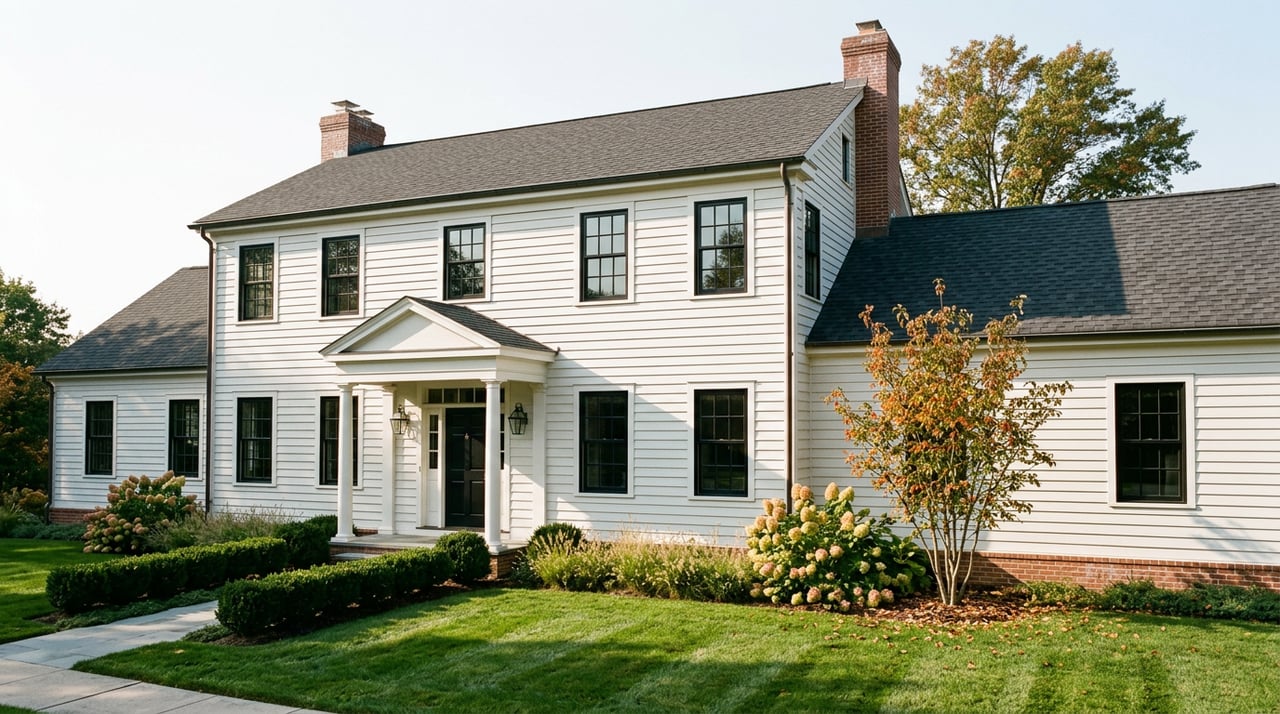
Farmington Village is the town’s most character-rich pocket. The Farmington Village Historic District was established in 1964, and the area is known for colonial-era streets, 1800s homes, and buildings tied to the Farmington Canal era.
Historic district housing here can date back much earlier than many buyers expect. National Park Service material on a Main Street home notes that historic-district properties in this area date from 1720 to 1835, while more recent listing examples also show later homes mixed in, including antique colonials, an 1843 condo, and a 1948 Cape Cod.
What buyers should know
This part of town is often a strong fit if you are drawn to age, architectural detail, and a village-center setting. You may find original charm, distinctive facades, and a streetscape that feels different from a newer subdivision.
If you are considering a home in the historic district, it is important to understand that visible exterior changes may involve the historic district commission. That does not make ownership complicated by default, but it does mean you should go in with clear expectations if renovations are part of your plan.
What pricing and lots may look like
Recent Main Street examples ranged from an estimated $531,000 at 138 Main Street to $668,325 at 25 Main Street, with higher-end examples at $1.2 million for 116 Main Street and $1.364 million for 133 Main Street. Lot sizes in those examples ranged from 0.57 acre to 1.12 acres.
That pattern suggests you are typically paying for character, location, and architectural identity first. Yard size may be moderate to sizable, but this area is generally not defined by estate-scale land.
Unionville and River Road
What homes look like here
If you want more variety in age and style, the Unionville and River Road pocket stands out. Recent examples include a 1750 single-family home, a 1958 Cape Cod, and a 2019 single-family home, all within the same broader corridor.
That mix creates a different search experience than Main Street. Instead of one dominant historic look, you may find older homes, postwar homes, and newer infill sharing the same area.
Why this area draws interest
Unionville has its own historic-center walk focused on structures built before 1930, but the lifestyle story here also includes the river and trail system. The Farmington River Trail is described by the state as a river-view trail with a planned 16-mile walking and biking path, and a River Road land listing highlights scenic river views, proximity to the trail, and easy access to Unionville’s restaurants, shops, and year-round activities.
For many buyers, this area offers a practical middle ground. You can get historic elements or simpler mid-century housing, plus an outdoor-oriented setting that feels connected to both village amenities and the river corridor.
What pricing and lots may look like
Recent values for River Road examples ran from about $320,000 at 109 River Road to about $575,000 at 221 River Road. Another example, 30 River Road, closed for $365,000 in 2025.
There is also evidence that land and views can shift pricing here. A separate River Road lot was listed at $350,000 for 1.39 acres with 543 feet of frontage, which suggests that a buildable site or river-view opportunity may carry a premium even outside the highest home price tier.
Who may like this area most
This pocket may appeal to you if you want trail access, a slightly more relaxed village atmosphere, and a price band that can be more approachable than Farmington’s larger hilltop properties. It is also worth a close look if you are open on architectural style and want more flexibility in your options.
Mountain Road and Old Mountain Road
What homes look like here
For privacy, acreage, and higher-end custom homes, Mountain Road and Old Mountain Road are the standout areas in Farmington. This corridor aligns with the setting of Hill-Stead, a Colonial Revival estate on 152 acres at 35 Mountain Road and one of the country’s best examples of that style.
Current listings reinforce the area’s broad upper-tier appeal. Examples include a contemporary ranch on 3.65 acres, a 4,213-square-foot home on 1.43 acres, a Colonial on 2.06 acres, and a 6,035-square-foot Colonial on 7.33 acres on Old Mountain Road.
What sets this pocket apart
The first difference is scale. Compared with the village core or much of the river corridor, homes here are more likely to sit on wooded lots with more separation from neighbors.
The second difference is range at the top end. This area supports everything from substantial homes on a few acres to larger estate-style properties with a much higher ceiling for both home size and price.
What pricing and lots may look like
Recent examples ranged from $358,228 at 115 Mountain Road to $605,000 at 127 Mountain Road, $1.15 million at 107 Mountain Road, $1.61 million at 41 Mountain Road, and about $2.64 million at 325 Old Mountain Road. Several Old Mountain Road listings also show R-80 zoning, which is consistent with the large-lot feel buyers often associate with this part of town.
If your priority is land, privacy, and long-term flexibility in home size, this is usually the most estate-oriented part of Farmington to explore.
Comparing Home Styles in Farmington
Historic and antique homes
You will see the strongest concentration of historic and antique homes around Farmington Village and parts of Unionville. These homes can offer period details and a setting that feels closely tied to the town’s earlier development.
They can also require a more thoughtful buying process. Condition, upkeep, and any future exterior plans deserve close review, especially in historic district areas.
Cape Cod and mid-century homes
Cape Cod and postwar homes show up most clearly in the River Road examples and also appear in the village mix. These homes may appeal to buyers who want established neighborhoods and simpler layouts without taking on the scale or cost of a large estate property.
Because they sit in a mixed housing environment, they can also offer a useful entry point for buyers who care more about location than a specific architectural label.
Larger Colonials and custom homes
If you picture a larger Colonial, a custom home on acreage, or a more private wooded setting, Mountain Road and Old Mountain Road deserve your attention. This is where Farmington’s upper-end inventory is most clearly expressed.
For some buyers, this pocket is about lifestyle as much as square footage. Extra land, privacy, and a more tucked-away setting often shape the appeal just as much as the house itself.
Lifestyle Factors That Can Help You Choose
Farmington’s trail system is a major asset across town, not just in one neighborhood. The town says it has a National Scenic Trail, two Farmington Valley Greenway trails, eight historic trails, and six historic walks.
That said, the river corridor offers some of the most direct trail adjacency. If walkability to outdoor routes is one of your top priorities, Unionville and River Road may move higher on your list.
Shopping is another practical consideration. Westfarms Mall serves as the town’s regional retail anchor and remains a well-known destination in the broader area.
For many buyers, the clearest way to compare the town is this:
- Choose Main Street if historic character leads your wish list.
- Choose River Road or Unionville if you want housing variety, river and trail access, and a potentially lower entry point.
- Choose Mountain Road or Old Mountain Road if you want acreage, privacy, and estate-scale possibilities.
How to Narrow Your Search
The best Farmington neighborhood for you usually depends on which trade-offs you are happiest making. A home with deep history may come with more renovation considerations, while a larger property may shift your budget toward land and privacy rather than village proximity.
A simple way to focus your search is to rank these priorities before you tour homes:
- Home style and architectural character
- Budget range
- Lot size and privacy
- Access to trails, shops, and village areas
- Comfort with updates or future exterior projects
Once you know which of those matters most, Farmington becomes much easier to read. Instead of seeing one market, you start seeing a set of distinct neighborhood choices.
If you want help matching your budget and lifestyle to the right part of Farmington, the Marshall & Ostop Team offers calm, local guidance backed by deep Farmington Valley market knowledge.
FAQs
What types of homes can you find in Farmington, CT?
- Farmington offers a mix of historic and antique homes, Cape Cod and postwar homes, newer infill, larger Colonials, and estate-style properties, depending on the neighborhood.
Which Farmington neighborhood has the most historic homes?
- Farmington Village and Main Street have the strongest concentration of historic homes, with properties in the historic district dating from the 1700s through the 1800s, along with some later homes mixed in.
Which part of Farmington offers larger lots?
- Mountain Road and Old Mountain Road are most associated with larger wooded lots, more privacy, and estate-style properties.
Is Unionville a good place to look for trail access in Farmington?
- Unionville and River Road stand out for access to the river corridor and nearby trail amenities, including the Farmington River Trail.
How do Farmington home prices vary by neighborhood?
- Recent examples suggest Main Street often commands pricing tied to historic character, River Road can offer a more approachable range in some cases, and Mountain Road or Old Mountain Road can span from moderate pricing to multi-million-dollar estate properties.