By Marshall + Ostop Team
Lighting is the most underestimated design tool in any home — and in West Hartford's market, where buyers move between Colonial homes, mid-century ranches, and updated Tudors with very different natural light profiles, how you light a space can be the difference between a room that feels alive and one that falls flat. We work with homeowners and buyers throughout West Hartford, Bishops Corner, and the surrounding neighborhoods, and lighting conversations come up constantly — both in pre-sale preparation and in post-purchase renovation planning. Here's how to approach it with intention.
Key Takeaways
- Layered lighting — ambient, task, and accent — creates flexibility that a single overhead fixture never can
- Bulb temperature affects how colors, finishes, and furnishings read in a room
- Natural light management is as important as artificial lighting in West Hartford's four-season climate
- Lighting upgrades offer some of the highest returns per dollar spent of any home improvement category
Understand the Three Layers of Lighting
The foundation of any well-lit room is understanding that lighting works in layers — and that most homes rely too heavily on a single overhead source that flattens a space rather than giving it dimension. Getting all three layers working together is what separates a room that photographs beautifully and feels genuinely comfortable from one that always seems slightly off.
How the Three Layers Work Together
- Ambient lighting — the base layer providing overall illumination; ceiling fixtures, recessed lighting, and natural light all contribute
- Task lighting — focused light for specific activities; under-cabinet kitchen lighting, reading lamps, and vanity fixtures serve this function
- Accent lighting — directional light that highlights architectural features, artwork, or focal points and adds depth to any room
- The goal is dimmer-controlled flexibility across all three layers so the room adapts to different times of day and different uses
Get Bulb Temperature Right
Bulb temperature — measured in Kelvins — is the variable most homeowners overlook and the one that explains why a room can feel warm and inviting in one home and sterile in another with nearly identical fixtures. In West Hartford's older homes, where rich wood tones, plaster walls, and period details set the palette, bulb temperature choices are particularly consequential.
How to Choose the Right Temperature for Each Space
- 2700K–3000K — warm white, the standard for living rooms, dining rooms, and bedrooms where comfort and relaxation are the priority
- 3000K–3500K — soft white, ideal for kitchens and bathrooms where clarity matters without feeling clinical
- 4000K and above — cool white and daylight ranges best reserved for garages, workshops, or utility spaces
- Mixing temperatures across a room or across an open floor plan creates visual discord — consistency within connected spaces matters
Make the Most of Natural Light
Home lighting ideas for West Hartford homes have to account for Connecticut's seasons — the low winter sun that rakes beautifully through south-facing windows, the long summer evenings that flood west-facing rooms, and the grey November weeks that test how well a home compensates artificially. Managing natural light well is as important as any fixture decision.
Natural Light Strategies That Work Year-Round
- Sheer window treatments that diffuse harsh afternoon light without blocking the view or darkening the space
- Mirrors positioned to reflect and amplify natural light into darker corners of a room
- Light-reflective paint finishes — eggshell and satin bounced light noticeably further than flat finishes in the same color
- Keeping windows clean — a detail that sounds obvious but makes a measurable difference in how much light enters a room, particularly in shaded New England settings
Lighting by Room: Where to Focus First
Not every room benefits equally from lighting investment, and prioritizing the spaces that drive the most impact — in daily comfort and in buyer perception — helps homeowners spend where it matters most.
Room-by-Room Lighting Priorities
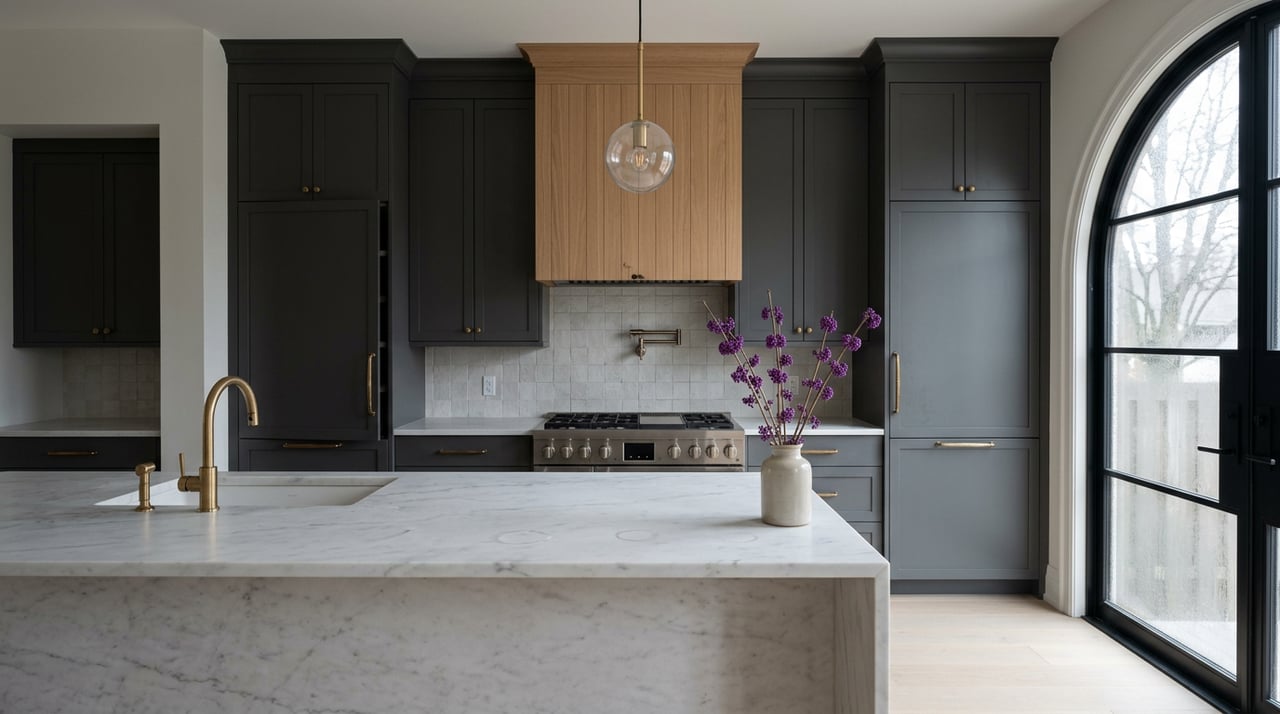
- Kitchen — under-cabinet task lighting and recessed ambient lighting together transform the most-used room in the house; pendant lights over an island add layer and visual interest
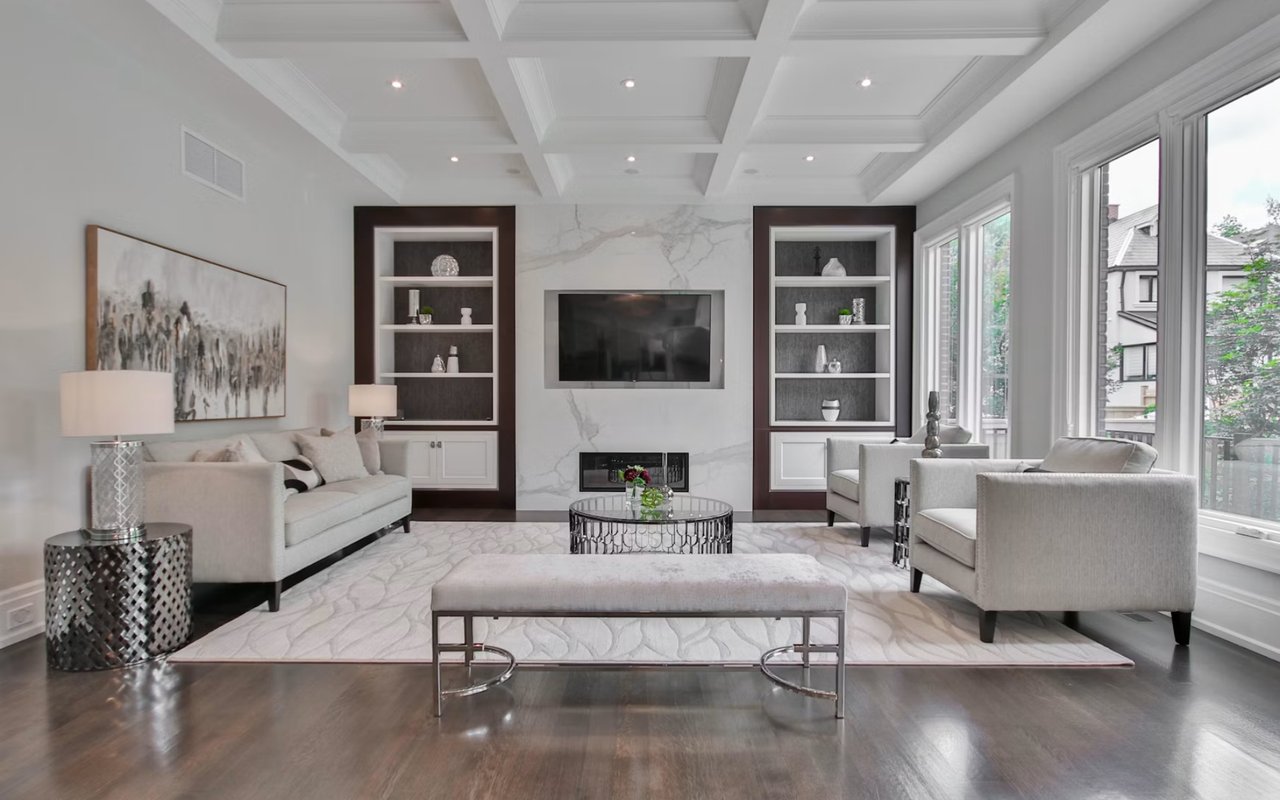
- Living room — a combination of floor lamps, table lamps, and dimmer-controlled overhead fixtures creates the flexibility the main gathering space requires across different occasions
- Primary bedroom — bedside sconces or table lamps free up nightstand space and provide reading light without disturbing a partner; overhead fixtures should be on dimmers
- Entryway — the first impression of a home's interior deserves a considered fixture and sufficient brightness to feel welcoming rather than dim and unwelcoming
Frequently Asked Questions
What lighting upgrades add the most value before listing a home in West Hartford?
Updated kitchen lighting — specifically under-cabinet strips and pendant fixtures — and a well-chosen entryway fixture consistently deliver the strongest buyer perception impact relative to cost. Replacing builder-grade ceiling fans and bare-bulb fixtures throughout the home with intentional alternatives signals care and attention that buyers register immediately, even when they can't articulate why a home feels better.
How do we address the low natural light that comes with Connecticut winters?
Layer artificial lighting more aggressively in the months when natural light is limited — more lamps, warmer temperatures, and dimmer control give a room far more warmth than a single ceiling fixture ever can. Paint choices also matter considerably: warm whites and off-whites with yellow or cream undertones respond much better to winter artificial light than cool greys and stark whites that can feel institutional when the sun isn't strong.
Is recessed lighting still a good choice, or has it become dated?
Well-placed recessed lighting remains a strong foundational choice — particularly in kitchens and open living areas where flexibility and clean lines are priorities. The key is avoiding the over-recessed look of the early 2000s, where fixtures were spaced too closely and created an even wash rather than deliberate illumination. Paired with lower-level lamps and accent sources, recessed lighting works beautifully in West Hartford's range of home styles.
Contact Marshall + Ostop Team Today
Lighting is one of those improvements that changes how a home feels without announcing itself — and that subtlety is exactly what makes it so powerful. Whether you're preparing your West Hartford home for the real estate market or simply ready to invest in spaces you love, we bring a practical perspective to what makes homes feel their best.
When you're ready to talk about your home, reach out to us at Marshall + Ostop Team. We'd love to help.
When you're ready to talk about your home, reach out to us at Marshall + Ostop Team. We'd love to help.