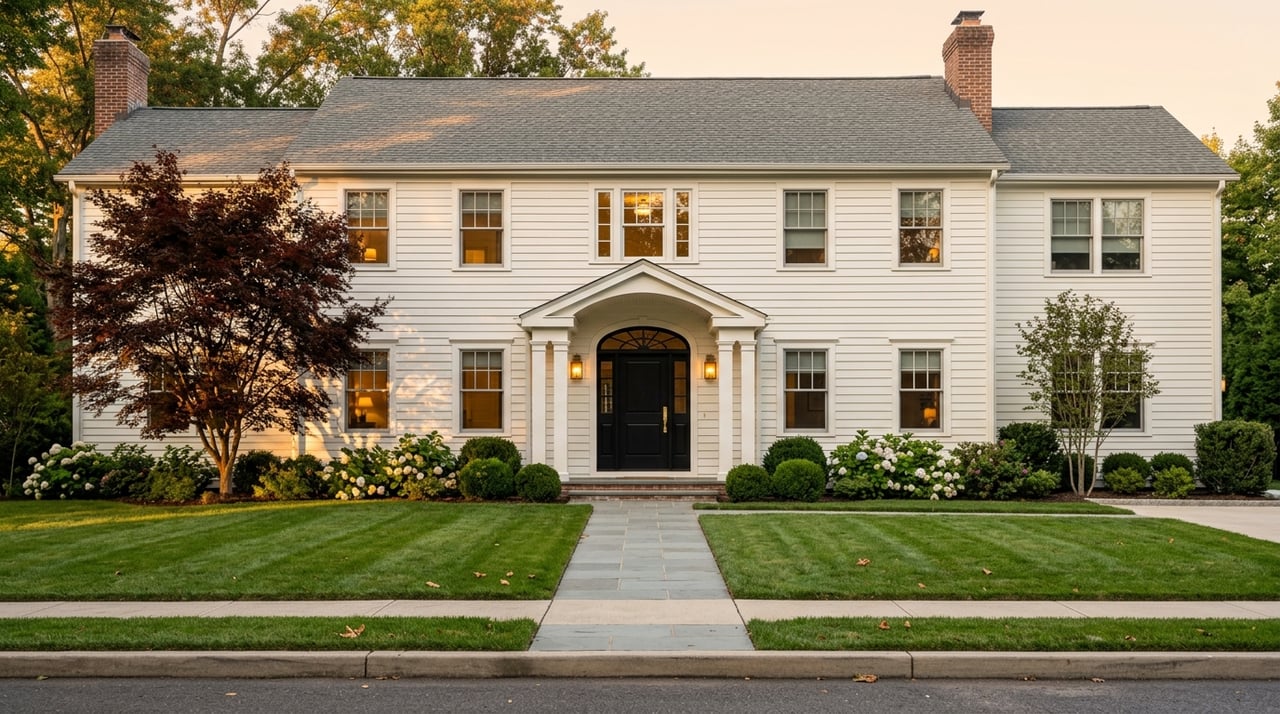
West Hartford And Nearby Towns: How To Choose Your Next Home

West Hartford And Nearby Towns: How To Choose Your Next Home

Choosing between West Hartford and the towns around it can feel harder than it looks. On paper, they all offer a suburban Connecticut lifestyle, but your day-to-day experience can vary quite a bit depending on where you land. If you want to sort through the options with more confidence, this guide will help you compare commute, walkability, housing patterns, and lifestyle so you can find the right fit. Let’s dive in.

Start With Your Daily Routine

When you compare West Hartford, Avon, Farmington, Simsbury, and parts of Tolland County, the biggest differences often show up in everyday life. Think about how often you want to drive, whether you like to run errands near a town center, and how important trails, parks, or transit are to your week.

A helpful way to narrow your search is to focus on four questions:

  • How do you commute most days?
  • How important is walkability?
  • What kind of home and price point are you targeting?
  • Do you want a built-in town center or a quieter, lower-density setting?

Those answers usually point you in the right direction faster than any broad ranking ever could.

West Hartford at a Glance

West Hartford is often the strongest match if you want an urban-suburban balance. It sits next to Hartford and borders both Avon and Farmington, which gives you quick access to the capital city while still living in a suburban setting.

The town also has one of the most flexible transportation setups in this group. West Hartford lists CTtransit, CT Rides, Dial-A-Ride, Independent Trans Network, bicycle routes, and complete streets as part of its transportation options.

For many buyers, the biggest draw is the center-area lifestyle. West Hartford highlights Blue Back Square as a shopping, living, dining, and entertainment destination, while West Hartford Center is described as the heart of town with shops, restaurants, cafes, and art galleries. Municipal parking garages and metered street parking help support that more walkable core.

West Hartford also brings a broad civic and recreation footprint. The town lists libraries, senior centers, public parks, pools, golf courses, and historic sites, which adds to its convenience and variety.

From a market standpoint, West Hartford has a median owner-occupied home value of $411,000, an owner-occupied rate of 67.4%, a mean travel time to work of 22.3 minutes, and a median household income of $129,890. Compared with the other towns here, that lower owner-occupied rate suggests a more mixed housing pattern and a wider range of housing types.

Best fit for West Hartford

West Hartford may be the right choice if you want:

  • A walkable center for errands and dining
  • More transportation options than surrounding suburbs
  • A mix of housing types
  • Close access to Hartford with a suburban home base

Avon: Space, Trails, and a Suburban Feel

Avon tends to appeal to buyers who want a more traditional suburban rhythm. It is more owner-occupied, more car-oriented, and more focused on trails and park-and-ride commuting than on a dense town-center experience.

The town’s recreation materials emphasize the Avon CT Trail Network, including its section of the Farmington Canal Heritage Trail along with hiking trails on town, state, and land-trust land. For commuting, Avon has the weekday CTtransit 901 Avon/Canton Express and an Avon Park & Ride at Route 44 and Walmart Plaza.

Avon’s numbers reflect a higher-value market. The median owner-occupied home value is $479,700, the owner-occupied rate is 85.4%, the mean travel time to work is 24.8 minutes, and the median household income is $154,058.

Best fit for Avon

Avon may work well for you if you want:

  • A higher-value suburban setting
  • Strong access to trails and outdoor spaces
  • A mostly owner-occupied market
  • A parking-friendly commute pattern

Farmington: A Balanced Middle Ground

Farmington often feels like the middle lane in this comparison. It offers more village character and transit flexibility than many outer suburbs, but it is generally less center-focused than West Hartford.

The town describes itself as a residential suburb that has retained its distinctive character through historic districts and careful land-use planning. Its Farmington Village Center Committee focuses on village-area quality-of-life improvements, which reinforces the importance of the town core.

Farmington also stands out for trails and commuter options. The town includes a national scenic trail, two Farmington Valley Greenway trails, historic walks, and other shorter hikes. For commuting, CTtransit route 66 connects West Hartford, Farmington Center, and Unionville, route 66X provides a peak-period Hartford shortcut, and the 902 Farm Springs Express serves the park-and-ride network.

Its market data supports that middle-ground position. Farmington has a median owner-occupied home value of $432,700, an owner-occupied rate of 74.4%, a mean travel time to work of 23.8 minutes, and a median household income of $141,120.

Best fit for Farmington

Farmington may be a smart fit if you want:

  • A village-suburb feel
  • Historic context and established character
  • Trail access and outdoor options
  • Better transit flexibility than many farther-out suburbs

Simsbury: Recreation First

Simsbury stands out most clearly for buyers who want outdoor recreation to be part of everyday life. It combines a compact town-center feel with a strong parks and trails identity.

The town says residents can stroll and shop in its picturesque town center and enjoy 75 miles of biking and walking trails. Its parks department notes more than 1,600 acres of parks and open space, 12 town parks, and the Simsbury Farms complex with golf, pools, skating, tennis and pickleball, and a family fitness trail. The town also includes a 22-mile greenway connecting Farmington Valley town centers.

Transit is more limited than in West Hartford or Farmington. Simsbury does have the weekday-only 912 Simsbury-Granby Express to Hartford, but it is less transit-flexible overall.

Simsbury’s numbers reflect an upper-mid market with a slightly longer commute. The median owner-occupied home value is $443,500, the owner-occupied rate is 75.2%, the mean travel time to work is 25.8 minutes, and the median household income is $157,907.

Best fit for Simsbury

Simsbury may be right for you if you want:

  • Strong access to parks, open space, and trails
  • A compact town-center identity
  • Recreation as a major lifestyle priority
  • An upper-mid suburban market with a slightly longer commute

Tolland County: More Space, Longer Commutes

If your priority is space and a lower-density setting, Tolland County offers a very different feel from the inner Hartford suburbs. The region is described by the state as rural in style, and it is accessed by I-84 and I-91.

That shift in density usually comes with more driving built into daily life. In general, the region is more car-oriented and farther east than West Hartford, Avon, Farmington, or Simsbury. The Town of Tolland is one example within the region that still offers a walkable downtown feel, with historic homes, walkable streets, and nearby parks for walking and biking.

As a representative example, Tolland has a median owner-occupied home value of $365,500, an owner-occupied rate of 90.7%, a mean travel time to work of 31.8 minutes, and a median household income of $133,264. In this group, that means lower home value, higher owner occupancy, and a longer commute.

Best fit for Tolland County

Tolland County may fit best if you want:

  • Lower density and more room to breathe
  • A more rural setting
  • A mostly owner-occupied housing pattern
  • More value compared with some inner-ring suburbs

A Side-by-Side Snapshot

Town Median Home Value Owner-Occupied Rate Mean Commute
West Hartford $411,000 67.4% 22.3 minutes
Avon $479,700 85.4% 24.8 minutes
Farmington $432,700 74.4% 23.8 minutes
Simsbury $443,500 75.2% 25.8 minutes
Tolland $365,500 90.7% 31.8 minutes

This table is helpful, but numbers only tell part of the story. The better question is how each town supports the way you actually want to live.

How to Choose With Confidence

If you are still deciding, start by picturing a normal Tuesday instead of a perfect Saturday. Where do you want to grab coffee, run errands, commute, or head out for a walk? That exercise usually reveals whether you want a lively center, easy trail access, a village feel, or a quieter setting with more space.

Here is a simple framework you can use:

Choose West Hartford if you want convenience

West Hartford is the strongest option here for walkability, amenities, and transportation choice. If you like having a busy center, flexible commuting options, and a blend of suburban and city-adjacent living, it deserves a close look.

Choose Avon if you want a classic suburb

Avon fits buyers who prefer a more dispersed suburban layout, stronger owner-occupancy, and trail access. It is a good match if you are comfortable relying more on your car and want a higher-value suburban market.

Choose Farmington if you want balance

Farmington works well when you want a middle ground. It offers village identity, trails, and commuter options without feeling as center-focused as West Hartford.

Choose Simsbury if you want recreation

Simsbury is especially appealing if trails, parks, and open space are part of your routine. If outdoor access ranks high on your list, it can be one of the clearest lifestyle matches in the region.

Choose Tolland County if you want space

Tolland County makes the most sense if your priority is lower density and a more rural setting. The tradeoff is usually a longer commute and fewer transit options.

The Right Town Is Personal

There is no single best town for every buyer. The right choice depends on whether you value walkability, recreation, commuting flexibility, housing mix, or more room between you and your neighbors.

That is where local guidance can make a big difference. When you can compare towns through the lens of your schedule, budget, and lifestyle goals, the search becomes much clearer.

If you are weighing West Hartford and nearby towns, the [Marshall & Ostop Team] can help you narrow the options, compare the tradeoffs, and move forward with calm, local insight.

FAQs

What makes West Hartford different from nearby towns?

  • West Hartford stands out for its walkable center, broad transportation options, and strong mix of dining, shopping, civic spaces, and recreation.

Is Avon or Farmington better for commuters near Hartford?

  • Farmington offers a wider mix of local and express CTtransit options, while Avon has a weekday commuter-bus option and park-and-ride access, so the better fit depends on your route and schedule.

Why do some buyers choose Simsbury over West Hartford?

  • Many buyers choose Simsbury when parks, trails, open space, and a recreation-focused lifestyle matter more than having the most transit-rich or center-focused setting.

Is Tolland County a good fit for buyers who want more space?

  • Tolland County can be a strong fit if you want lower density, a more rural feel, and generally more space, with the tradeoff of a longer commute and greater car dependence.

How should buyers compare West Hartford, Avon, Farmington, and Simsbury?

  • A smart way to compare these towns is to look at commute patterns, walkability, housing type and budget, and how much daily life is built into each town center.

Work With Us

We have the experience and dedication to make home buying and selling fun and financially rewarding. We provide all the resources necessary to ensure transactions are smooth from start to finish. With unparalleled market knowledge and customer service our team is one of the most recommended groups in the industry.

Follow Us on Instagram