By Marshall + Ostop Team
Relocating to a new home is an exciting new chapter, but when pets are involved, there’s a whole new set of challenges and considerations to keep in m ind. Whether you’re moving across the street or across the country, your furry, feathered, or four-legged companions will rely on you to help them adjust to new surroundings.
Understanding how to minimize your pet’s stress, keep them healthy, and help them settle into their new environment is crucial to a successful move.
This guide will give you practical, actionable tips for moving with pets, covering every step of the process, from packing up your current home to helping your pet thrive once you’ve arrived at your destination.
Key Takeaways
- Tips for preparing your pet before, during, and after the move
- Discover how to safely transport pets, whether by car, plane, or other methods
- Ideas for helping pets acclimate to their new home and routine
Preparing Your Pet Before the Move
Planning ahead is one of the most effective ways to reduce stress for both you and your pet. Animals thrive on routine, so sudden changes in their environment or daily schedule can be unsettling. By gradually preparing your pet, you’ll help them feel more secure as moving day approaches.
Begin by considering your pet’s temperament and unique needs. For example, a nervous cat may benefit from extra quiet time in a familiar space, while a social dog may enjoy additional walks or play sessions to burn off nervous energy.
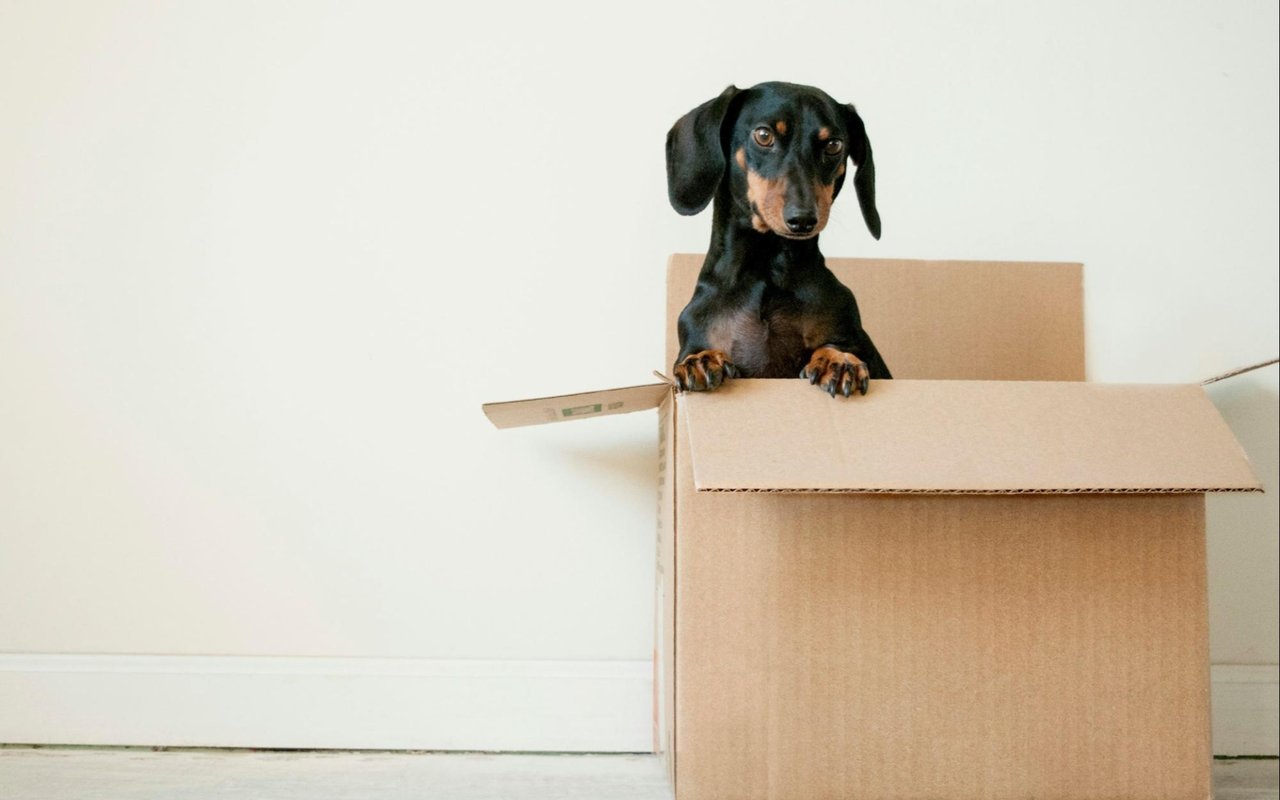
In the weeks leading up to your move, start acclimating your pet to some of the changes they’ll experience. Bring out moving boxes early and let your pet investigate them.
Make sure your pet’s identification tags and microchip information are up-to-date. This simple step will give you peace of mind if your pet gets lost in the commotion. Schedule a checkup with your veterinarian, and ask about obtaining copies of your pet’s medical records. If you’re crossing state lines, check for any required vaccines, permits, or health certificates.
Begin by considering your pet’s temperament and unique needs. For example, a nervous cat may benefit from extra quiet time in a familiar space, while a social dog may enjoy additional walks or play sessions to burn off nervous energy.
In the weeks leading up to your move, start acclimating your pet to some of the changes they’ll experience. Bring out moving boxes early and let your pet investigate them.
Make sure your pet’s identification tags and microchip information are up-to-date. This simple step will give you peace of mind if your pet gets lost in the commotion. Schedule a checkup with your veterinarian, and ask about obtaining copies of your pet’s medical records. If you’re crossing state lines, check for any required vaccines, permits, or health certificates.
Getting Ready: Before the Move
- Introduce moving boxes and supplies gradually to reduce anxiety
- Keep your pet’s routine as consistent as possible, including feeding, walks, and playtime
- Schedule a veterinary appointment for a checkup and updated records
- Update your pet’s identification tags and microchip registration with your new address
- If needed, arrange for temporary boarding or pet-sitting during the most hectic parts of the move
Packing and Organizing Pet Belongings
Packing up your home can be stressful for pets who are sensitive to changes in their surroundings. Some animals may become anxious as their favorite items disappear or as their environment becomes cluttered with boxes. To make this process easier, pack your pet’s essentials last and keep their living space as undisturbed as possible until moving day.
Gather a “pet essentials” kit with everything your pet will need for the first few days in your new home. This might include food, bowls, medications, a favorite bed or blanket, toys, and grooming supplies. Having these familiar items readily accessible will provide comfort and stability during the transition.
If your pet is crate-trained, make the crate a welcoming, positive space well before the move. Place treats, toys, and blankets inside to encourage your pet to spend time there.
For pets that aren’t used to traveling, now is the time to acclimate them to their carrier or harness. Short practice trips around the neighborhood can help ease anxiety about car rides or travel crates.
Gather a “pet essentials” kit with everything your pet will need for the first few days in your new home. This might include food, bowls, medications, a favorite bed or blanket, toys, and grooming supplies. Having these familiar items readily accessible will provide comfort and stability during the transition.
If your pet is crate-trained, make the crate a welcoming, positive space well before the move. Place treats, toys, and blankets inside to encourage your pet to spend time there.
For pets that aren’t used to traveling, now is the time to acclimate them to their carrier or harness. Short practice trips around the neighborhood can help ease anxiety about car rides or travel crates.
Organizing and Packing Tips
- Keep your pet’s daily items accessible
- Create a “pet essentials” bag or box for the journey and the first few nights in your new home
- Encourage your pet to use their travel crate by making it cozy and inviting
- Practice short trips in the car with your pet to build comfort and reduce travel anxiety
- Label boxes with your pet’s supplies so you can find them easily upon arrival
Planning Transportation: Safe Travel for Every Pet
How you get from your old home to your new one will play a major part in your pet’s experience. Whether you’re driving or flying, plan your route and timing to minimize stress and maximize comfort for your companion.
For most dogs and cats, traveling by car is often the easiest option. Make frequent stops for exercise and water. If your pet isn’t used to car travel, practice in the weeks leading up to your move. Use a well-ventilated crate or carrier, and secure it safely in your vehicle. Never allow your pet to ride loose in a vehicle, as sudden stops or accidents can be dangerous.
If you’re flying, research airline pet policies well in advance. Some airlines allow small pets in the cabin, while others require larger animals to travel as cargo. Each airline has specific carrier requirements and documentation needs, so prepare these materials ahead of time. Consider direct flights whenever possible to reduce travel time and minimize layovers.
For most dogs and cats, traveling by car is often the easiest option. Make frequent stops for exercise and water. If your pet isn’t used to car travel, practice in the weeks leading up to your move. Use a well-ventilated crate or carrier, and secure it safely in your vehicle. Never allow your pet to ride loose in a vehicle, as sudden stops or accidents can be dangerous.
If you’re flying, research airline pet policies well in advance. Some airlines allow small pets in the cabin, while others require larger animals to travel as cargo. Each airline has specific carrier requirements and documentation needs, so prepare these materials ahead of time. Consider direct flights whenever possible to reduce travel time and minimize layovers.
Transportation Planning Tips
- Choose a travel method based on your pet’s needs, size, and temperament
- For car travel, plan for regular stops and never leave your pet unattended
- For air travel, research airline policies, required documentation, and carrier specifications
- Prepare your pet’s carrier with familiar bedding and items to reduce stress
- If you have a long journey, look up pet-friendly accommodations along your route
Keeping Your Pet Calm and Comfortable on Moving Day
Moving day can be hectic and noisy, with doors open, people coming and going, and unfamiliar scents everywhere. To protect your pet from feeling overwhelmed or slipping out unnoticed, set aside a quiet, secure space for them during the busiest times. This might be a closed room, a crate, or even at a trusted friend or boarding facility for the day.
Monitor your pet’s behavior closely. Dogs and cats may show signs of stress, such as hiding, vocalizing, or changes in appetite. Provide comfort with gentle words, treats, and physical reassurance if they seek it. Resist the urge to scold your pet for any nervous behaviors; patience is key during this transition.
Monitor your pet’s behavior closely. Dogs and cats may show signs of stress, such as hiding, vocalizing, or changes in appetite. Provide comfort with gentle words, treats, and physical reassurance if they seek it. Resist the urge to scold your pet for any nervous behaviors; patience is key during this transition.
Moving Day Checklist
- Set up a quiet, safe area for your pet away from the main activity
- Monitor your pet for signs of stress, and provide comfort as needed
- Keep your pet’s essentials and carrier accessible
- Take extra precautions to prevent your pet from slipping out unnoticed
- Give your pet plenty of reassurance and breaks during the day
Arriving at Your New Home: The First Few Days
The first few days in a new home can be disorienting for pets. Unfamiliar smells, sounds, and sights may cause anxiety or confusion.
To help your pet settle in, set up a designated space with their bed, toys, and other familiar items as soon as you arrive. Try to keep your pet’s routine as close as possible to what they’re used to, including mealtimes, walks, and play.
Allow your pet to explore the new environment at their own pace. Some animals may want to investigate right away, while others will need time to feel comfortable. Supervise your pet closely until you’re sure that the space is free of hazards.
Spend extra time with your pet during the first week. Play, cuddle, or engage in activities that bring comfort and joy. This attention will help reassure your pet that, despite the new surroundings, you are still their safe place.
To help your pet settle in, set up a designated space with their bed, toys, and other familiar items as soon as you arrive. Try to keep your pet’s routine as close as possible to what they’re used to, including mealtimes, walks, and play.
Allow your pet to explore the new environment at their own pace. Some animals may want to investigate right away, while others will need time to feel comfortable. Supervise your pet closely until you’re sure that the space is free of hazards.
Spend extra time with your pet during the first week. Play, cuddle, or engage in activities that bring comfort and joy. This attention will help reassure your pet that, despite the new surroundings, you are still their safe place.
First Days in a New Home
- Set up a dedicated area with your pet’s bed, toys, and familiar items
- Stick to established routines for feeding, walking, and playtime
- Allow your pet to explore the new home at their own pace, with supervision
- Check for potential hazards before giving your pet free access
- Provide extra attention, affection, and play to help your pet feel secure
- Give your pet time to adjust; some animals may need days or even weeks
FAQs
How Can I Help My Cat Feel More Comfortable After Moving?
Set up a dedicated room with your cat’s bed, litter box, food, and water. Let your cat explore gradually and keep the routine as consistent as possible. Provide extra affection, toys, and treats to build trust in the new space.
What Should I Do If My Dog Won’t Eat After the Move?
It’s common for dogs to lose their appetite due to stress. Offer small, frequent meals and stick to familiar foods. Hand-feeding or adding a little bit of warm water to their food may help. If appetite loss lasts more than a couple of days, consult your veterinarian.
How Can I Make Car Travel Easier for My Pet?
Gradually acclimate your pet to car rides with short trips before the move. Use a secure crate or harness, and bring comfort items from home. Plan for regular breaks, and never leave your pet unattended in the vehicle.
What Should I Pack for My Pet on Moving Day?
Prepare a “pet essentials” kit with food, water, medications, bowls, toys, bedding, grooming tools, and cleaning supplies. Keep your pet’s carrier, leash, and any important documents close at hand for easy access.
Moving With Pets Made Simple
Your pets look to you for comfort and reassurance, especially during times of change. By taking the time to prepare thoughtfully, you’ll help your companion feel safe and confident as you begin this new chapter together.
Ready to make your move? With these tips and a little advance planning, you and your pets can start settling into your new home with confidence and peace of mind.
Contact Paula Fahy Ostop, Ellyn Marshall, and the Marshall + Ostop Team today to discuss your real estate goals, and let us assist you in making your dreams a reality!
Ready to make your move? With these tips and a little advance planning, you and your pets can start settling into your new home with confidence and peace of mind.
Contact Paula Fahy Ostop, Ellyn Marshall, and the Marshall + Ostop Team today to discuss your real estate goals, and let us assist you in making your dreams a reality!