By Marshall + Ostop Team
Most of us are looking for more ease in our days — not an overhaul, just a little more calm, a little more focus, a little more time. The good news is that some of the most impactful changes you can make don't cost much or take long to implement. We work with homeowners across West Hartford, Farmington, and Avon, CT, and one thing we hear often is that a home that functions well makes daily life feel noticeably better. Here are some small shifts worth trying.
Key Takeaways
- How your home is organized and lit has a direct effect on your daily mood and productivity
- Morning and evening routines are the two highest-leverage times to make changes
- A clutter-free environment reduces decision fatigue and lowers stress throughout the day
- Small, consistent habits build momentum that carries into every part of your life
Start with Your Morning Setup
How the first hour of your day unfolds tends to shape everything that follows. A chaotic morning leads to a reactive day. A calm, intentional one gives you a head start. The changes here don't require waking up earlier — just using the time you already have a little differently.
Simple Morning Habits Worth Building
- Lay out clothes, prep your bag, and set out anything you need for the morning the night before — eliminating small decisions early reduces mental load before the day begins
- Open your curtains or blinds first thing; natural light in the morning supports your body's cortisol rhythm, helping you feel alert and focused without relying entirely on caffeine
- Take five to ten minutes to write down your top three priorities for the day — a short list is more useful than a long one, and it keeps your attention on what actually matters
- Make your bed; it takes under five minutes and consistently correlates with a greater sense of order and productivity throughout the day
- Begin the day with a slow yoga flow, calming your thoughts along with your breathing.
Rethink How Your Space Is Organized
Your home environment shapes your behavior more than most people realize. A cluttered space competes for your attention, raises stress levels, and makes simple tasks take longer. You don't need to redecorate — just make the spaces you use most work harder for you.
Organization Changes That Pay Off Immediately
- Assign a permanent home for the things you reach for every day — keys, bags, mail, and chargers — a drop zone near your entry keeps these items from becoming a daily search
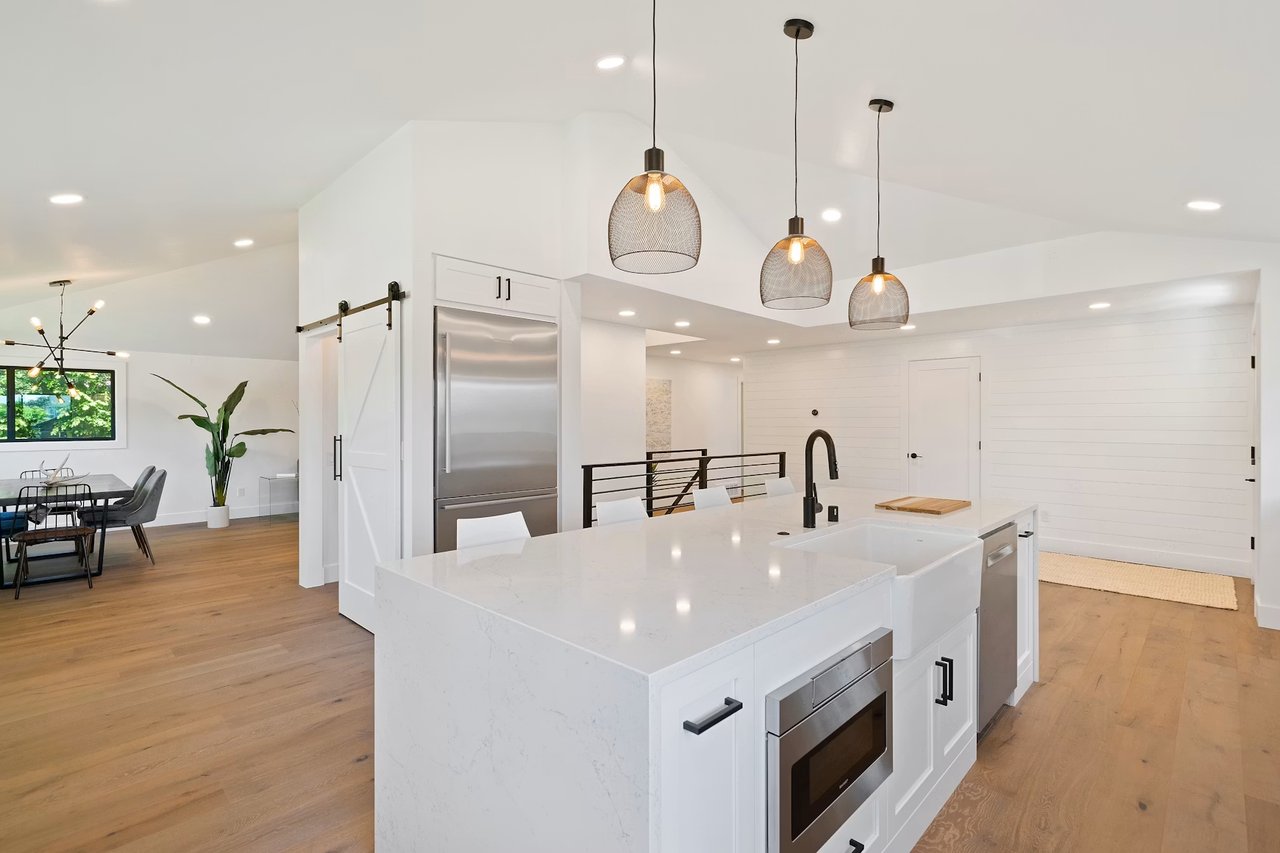
- Clear your kitchen counter of anything that doesn't belong there; waking up to a tidy kitchen sets a calmer tone and removes a low-grade source of stress before the day starts
- Keep your desk or workspace clear at the end of each workday so you start fresh the next morning rather than picking up where the clutter left off
- Declutter high-traffic areas regularly; clutter collects quickly and even small accumulations in the spaces you move through most often affect how relaxed you feel at home
Improve Your Lighting
Lighting is one of the lowest-effort, highest-impact changes you can make to how a space feels and functions. Most homes rely too heavily on a single overhead source, which creates flat, uninviting light that doesn't serve different times of day or different tasks equally well.
Lighting Adjustments Worth Making
- Add a floor or table lamp to rooms where you spend focused time — layered light is warmer and more adaptable than overhead fixtures alone
- Take advantage of natural light wherever possible; position your workspace near a window and keep window treatments open during daylight hours
- Dim lights in the evening as part of a wind-down routine; lower light in the hour before bed signals to your body that it is time to rest and supports better sleep
- Smart bulbs with adjustable color temperature are a relatively inexpensive upgrade that lets you shift from energizing cool light in the morning to warmer, calmer tones at night
Build a Better Evening Routine
If mornings are about launching well, evenings are about landing well — and setting yourself up for the following day. A consistent wind-down routine improves sleep quality, which in turn affects focus, mood, and energy more than almost any other single factor.
Evening Habits That Make a Real Difference
- Set a consistent bedtime and wake-up time and stick to it even on weekends; a steady sleep schedule is one of the most impactful things you can do for your overall health
- Avoid screens for at least 30 minutes before bed — replace that time with reading, light stretching, or simply sitting quietly
- Do a ten-minute tidy before bed; coming downstairs to a reasonably orderly home in the morning costs almost nothing and reliably improves how the day starts
- Write down anything unfinished or on your mind before you sleep; getting it out of your head and onto paper reduces the mental churn that keeps many people from falling asleep easily
Create a Dedicated Workspace
For anyone who works from home — whether full time or occasionally — having a designated workspace changes everything. Working from the couch or the kitchen table blurs the line between rest and productivity, and that boundary matters for both.
What a Good Home Workspace Needs
- A consistent, dedicated spot — even a corner of a room with a clear purpose helps your brain shift into work mode more quickly
- Good lighting, ideally with access to natural light; research consistently shows that natural light improves focus, reduces eye strain, and supports productivity
- A clutter-free surface with only what you need nearby; everything else stored out of sight
- Clear household boundaries around when the space is in use — a simple signal like a closed door or set hours helps everyone in the home respect the time
FAQs
How long does it take for small habit changes to stick?
Consistency matters more than perfection. Most people find that a new habit starts to feel natural after a few weeks of repetition, especially when it is tied to something already in the routine — like making coffee or brushing your teeth. Start with one change at a time rather than trying to overhaul everything at once.
Does home organization really affect mental health?
Yes, meaningfully. Research consistently shows that cluttered environments elevate stress hormones and reduce the ability to focus. A tidy, well-organized space is not just aesthetically pleasing — it reduces the low-level cognitive load that accumulated disorder creates throughout the day.
What is the single most impactful small change most people could make?
A consistent sleep schedule — same bedtime, same wake time — affects energy, mood, focus, and overall health more than almost any other single habit. It costs nothing and requires no equipment, just discipline.
Work with the Marshall + Ostop Team
The home you live in shapes your daily life in ways that go well beyond square footage and finishes. When we work with buyers and sellers across West Hartford, Farmington, and Avon, CT, we think carefully about how a home functions day to day — not just how it looks. If you are thinking about a move or want to understand what your home is worth in today's market, reach out to us — contact Paula Fahy Ostop, Ellyn Marshall, and the Marshall + Ostop Team today and let us help you find a home that truly works for how you live.